
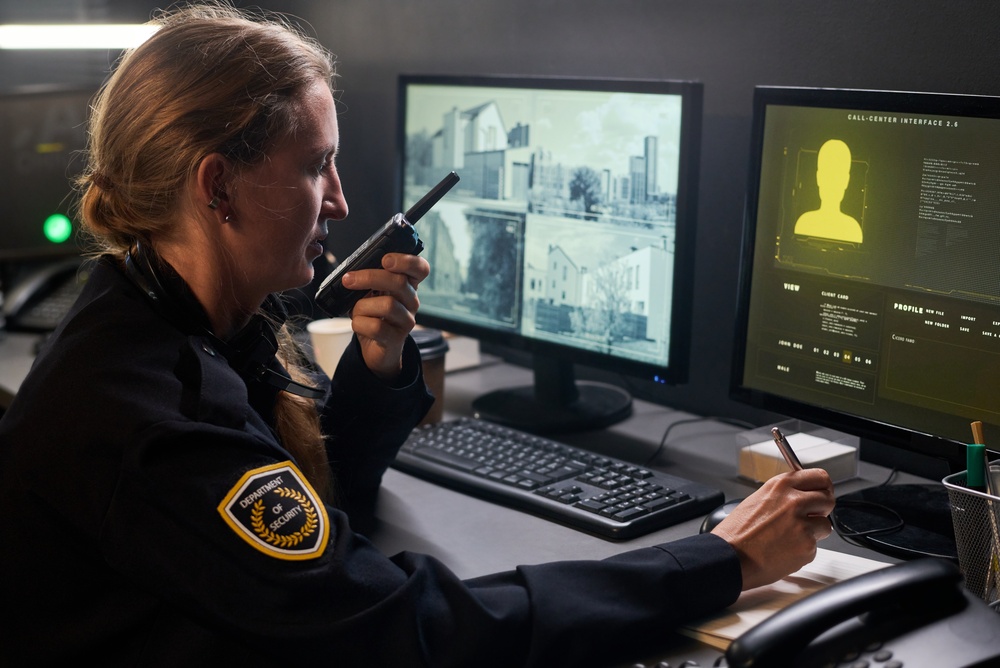
Stress doesn’t always arrive at convenient times.
It can happen during an important examination, when giving a presentation, having a difficult conversation or medical procedure, or a situation requiring immediate decisions. For those working in high-pressure professions, such as first responders and healthcare professionals, managing stress while remaining focused is often part of the job. Stress can also occur during athletic or artistic performance, when concentration, coordination, and the ability to perform under pressure are essential.
In these moments, stepping away to practice a stress-relief strategy may not be practical — or even possible.
We often think about stress relief as something we do afterward, when the workday ends or the crisis has passed. But what about the moments when we need support the most and life doesn’t stop?
This is why real-time regulation matters.
Stress and the Ability to Function
The stress response is a normal and necessary part of human functioning Physiological activation helps prepare us to respond to challenges by increasing alertness and readiness.
However, when activation becomes excessive, it can interfere with concentration, working memory, flexible thinking, and decision-making.
Consider an athlete competing under pressure. Some heightened alertness can be beneficial, but excessive anxiety may interfere with concentration, coordinator, or confidence.
Now consider a performer stepping onto a stage. The demands are different, but the challenge may be similar: managing physiological activation while maintaining concentration, remembering lines, and delivering a performance.
A similar challenge can occur for a first responder responding an emergency, a healthcare professional managing a medical crisis, or a student taking an examination.
The circumstances differ, but the underlying question is the same:
How do we remain engaged and function effectively when our nervous system is highly activated?
Regulation While Remaining Engaged
Many established stress-relief strategies, including breathing exercises, grounding, and mindfulness, require individuals to deliberately direct their attention toward regulation.
These approaches are valuable, but some situations demand our full attention.
This creates an important distinction between active and passive approaches to regulation.
Active strategies require an individual to perform an action, such as controlled breathing or self-administered tapping.
Passive approaches can deliver sensory input without requiring the individual to continuously perform the technique.
One example is tactile bilateral stimulation delivered through a device.
What Research Tells Us About Tactile Bilateral Stimulation
Tactile bilateral stimulation involves alternating sensory input between the left and the right sides of the body.
Many people are familiar with bilateral tapping through the Butterfly Hug, in which individuals alternately tap their shoulders or upper arms.
Devices can deliver alternating tactile stimulation automatically, allowing individuals to continue other activities.
A 2025 study, Bilateral stimulation: differential effects in EEG and peripheral physiology, examined physiological responses to bilateral stimulation. Researchers found measurable changes in heart rate variability, respiration, and frontal brain activity consistent with changes in physiological activation.
Passive Regulation in Everyday Life
Bi-Tapp delivers gentle, alternating tactile bilateral stimulation through two Bluetooth-connected tappers. Individuals can customize the speed and intensity while continuing many everyday activities.
This allows individuals to use the tappers in situations where stepping away to practice a regulation strategy isn’t practical.
The tappers have been used in education, healthcare, emergency response, athletics. performing arts, addiction recovery, and everyday life.
In the following interview, Shellie, a pediatric respiratory therapist, shares how she uses Bi-Tapp during demanding shifts and the difference she notices in her ability to recover and be present with her family afterward.
Her experience illustrates how passive regulation can complement existing coping strategies, both during stressful situations and after the workday ends.
The goal is not to eliminate stress or replace established coping skills, but to provide additional support through passive regulation when physiological activation becomes difficult to manage.
Because sometimes the moments when we need regulation most are the moments when we cannot stop what we are doing.
Real-time regulation when it matters most.
Learn more at bi-tapp.com.