
by Cindy A Jones, LCSW | Jun 2, 2026 | Burnout, Nervous System Regulation, PTSD Awareness, Resilience, Stress Recovery
Many people who are carrying significant stress continue to function at a high level every day. They go to work, meet deadlines, show up for others, and handle their daily responsibilities. From the outside, they may appear calm, capable, and in control. Yet...

by Cindy A Jones, LCSW | May 8, 2026 | Burnout, First Responders, Nervous System Regulation, Rural Mental Health
In many rural communities, operational stress often looks the same: everyone is already overextended, and the same people respond to every crisis. Burnout in many rural settings does not come from a single difficult shift. It comes from sustained exposure without...
by Cindy A Jones, LCSW | Apr 6, 2026 | Burnout, First Responder, Healthcare Professionals, Rural Health, Workplace Mental Health
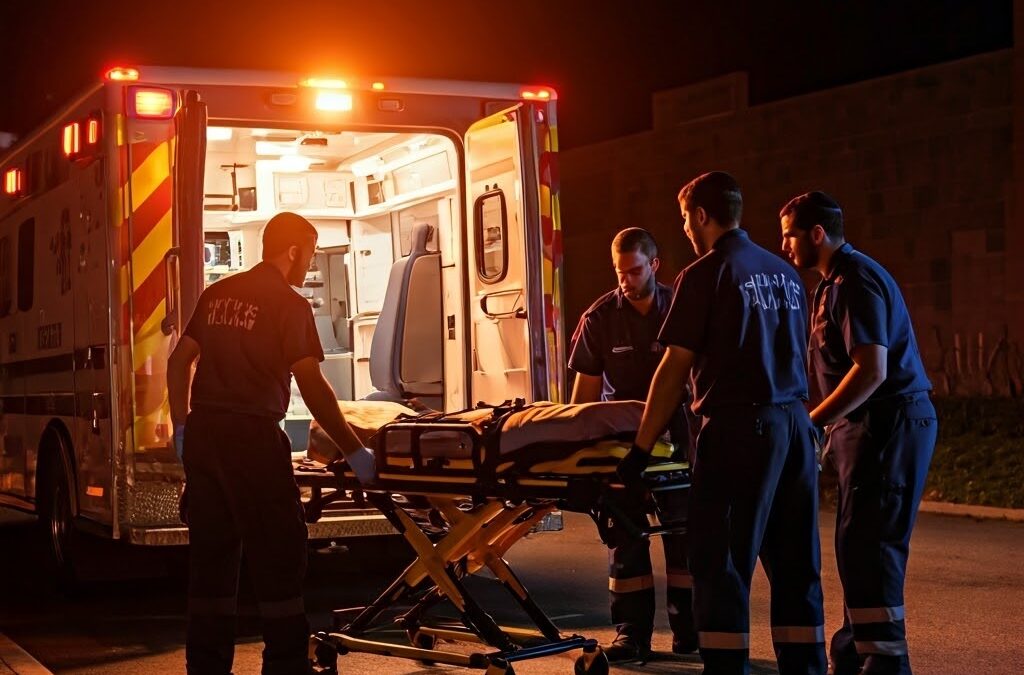
Communities invest heavily in protecting people from physical danger. First responders wear body armor, they train in protective gear. Healthcare workers follow strict safety protocols. Equipment, training, and preparation are designed to keep people physically safe...

by Cindy A Jones, LCSW | Mar 5, 2026 | Burnout, Nervous System Regulation, Performance Recovery, Sleep
You are tired. You know you need sleep. But your mind is still on. You replay conversations and events. Think about tomorrow. Feel just alert enough that sleep doesn’t quite arrive. If this feels familiar, you are not alone. Often, this is not simply insomnia....

by Cindy A Jones, LCSW | Dec 4, 2025 | Anxiety Relief, Burnout, Emotional Resilience
As the year winds down, many people expect to feel peaceful, reflective, and ready for a fresh start. But for most, December brings something very different: accumulated stress, emotional fatigue, and a nervous system that’s been “on” far too long....
by Cindy A Jones, LCSW | Oct 1, 2025 | Anxiety, Anxiety Relief, Bilateral tapping, Burnout, Emotional Resilience, Self Regulation, Sleep
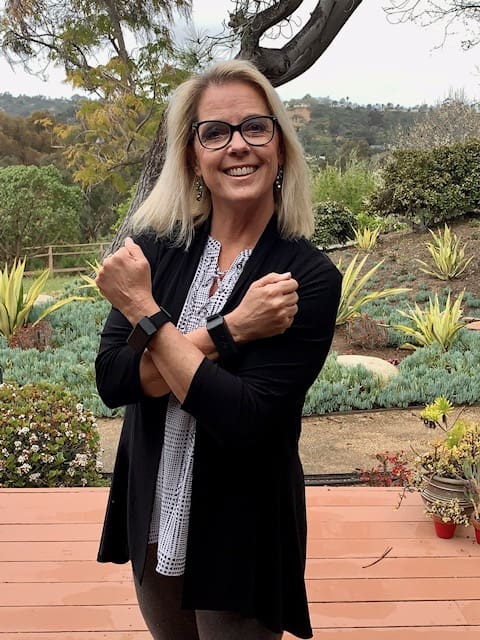
Stressful events are a part of life—but how quickly we recover from them depends on our emotional resilience. Resilience isn’t something you either have or don’t have; it’s a skill that can be built and strengthened. Research points to exercise, supportive...